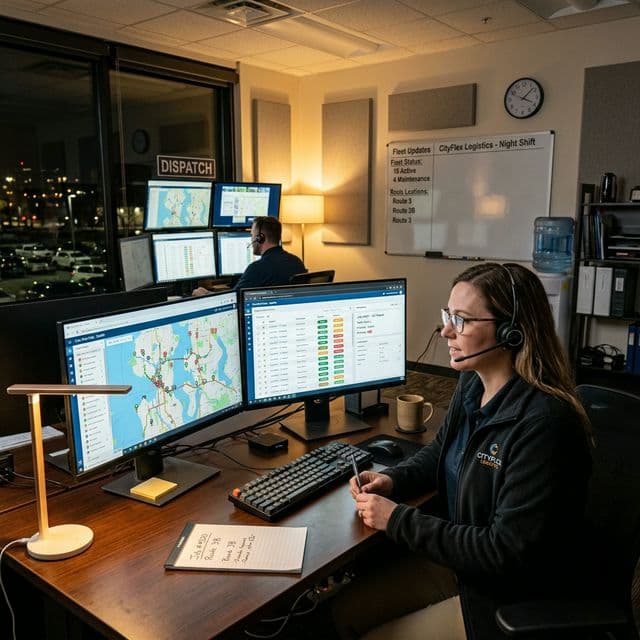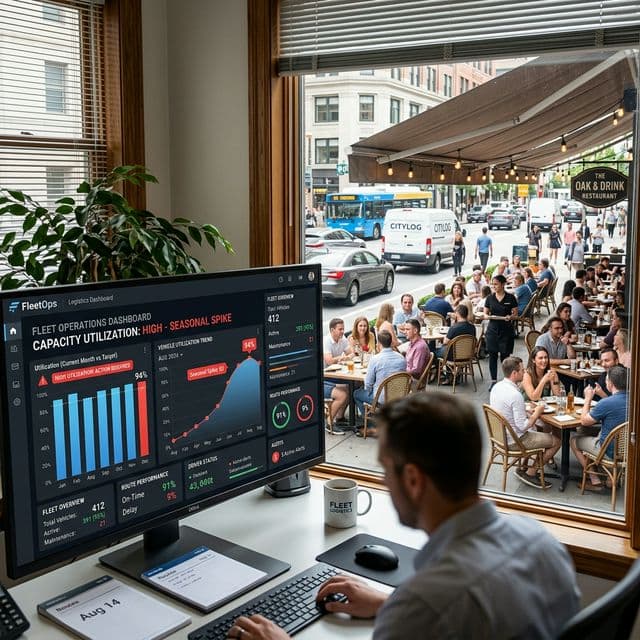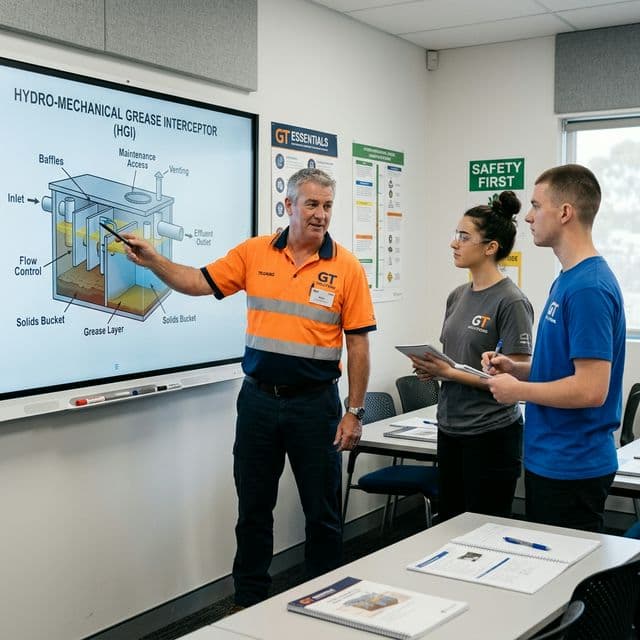
A grease trap overflow at 11 PM on a Friday does not wait for Monday morning. Kitchen drains back up, floor mats float, and the restaurant manager calls every pumping company in the county until someone answers. If your line goes to voicemail, you lose a $900–$2,000 emergency job and the recurring contract that should follow. GreaseTrapDispatch gives FOG operators an AI-native intake and routing layer that answers after-hours overflow calls, quotes emergency premiums, and dispatches the on-call driver with complete trap history — while competitors sleep.
The After-Hours Overflow Crisis
Commercial kitchens generate grease around the clock. Traps that were "fine at closing" can overflow by midnight when residual cooking oil cools, congeals, and blocks the outlet baffle. The caller is panicked, the kitchen may still have staff on site, and every minute of standing wastewater increases damage to flooring, equipment, and the restaurant's health inspection standing.
After-hours overflow calls share three characteristics that make them high-value and high-risk:
- Urgency is absolute. The caller is not price-shopping. They need a truck now.
- Information is incomplete. Managers often do not know trap size, last pump date, or exact trap location.
- Documentation matters later. Health inspectors, insurance adjusters, and angry owners will all ask for timestamps and manifests.
Operators who answer these calls with intelligent triage capture premium revenue. Operators who miss them subsidize their competitors' growth.
Triage and Call Classification
Not every after-hours call requires an immediate truck roll. A generic answering service treats "kitchen smells bad" the same as "grease is flooding the prep line." FOG-specific AI triage separates true emergencies from schedulable requests.
| Caller Statement | Classification | Response | Priority |
|---|---|---|---|
| "Grease is overflowing onto the floor" | Active Overflow | Immediate dispatch, emergency rate | P0 |
| "Drains are slow but not flooding" | Impending Failure | Same-night or first-am dispatch | P1 |
| "Health inspector cited us, deadline Monday" | Compliance Emergency | Next-business-day guaranteed | P1 |
| "Need a pump-out sometime this week" | Scheduled Service | Queue for route | P2 |
| "What do you charge for monthly service?" | New Contract Lead | Sales pipeline | P3 |
The AI asks precise diagnostic questions: Is water or grease actively backing up through floor drains? Are multiple drains affected? When was the trap last pumped? Based on answers, it assigns priority and quotes the appropriate rate tier before waking the on-call technician.
Misclassifying a P0 overflow as a P2 scheduled request costs the restaurant thousands in lost revenue and kitchen downtime. The EPA reports that grease-related blockages cause approximately 47% of sanitary sewer overflows in the United States — making rapid response both a business opportunity and a public health imperative.
Routing the On-Call Technician
Dispatching a driver at 1 AM requires more than a phone call and an address scribbled on a napkin. The on-call technician needs trap size, location on property, access codes, service history, and the caller's authorization for emergency pricing — all before leaving home.
When the restaurant is an existing client, the CRM lookup eliminates five minutes of groggy questioning. The driver knows they are heading to a 1,500-gallon exterior interceptor behind the dumpster enclosure, last pumped ninety-two days ago, with key code 4472. When the caller is new, the AI captures address, trap location if known, and manager contact while calculating the fastest route from the on-call driver's home or yard.
GreaseTrapDispatch is the vertical demo of this DispatchNode workflow for grease trap pumping companies — purpose-built for FOG terminology, not a generic field service platform.
Documentation and Compliance Reporting
Emergency pump-outs still require manifests, disposal records, and often municipal FOG reporting. A technician who finishes at 3 AM and skips paperwork creates compliance gaps that surface during the next health inspection.
The post-emergency documentation workflow should execute automatically:
- Digital manifest generation: Volume extracted, GPS coordinates, timestamp, and disposal facility logged upon job completion.
- Photo capture: Pre-existing kitchen damage documented before extraction begins — liability protection for the operator.
- Health department packet: Signed manifest emailed to the restaurant manager for presentation to inspectors.
- Municipal reporting: If the jurisdiction requires electronic FOG reporting, submit via API integration.
- Root cause note: Flag likely cause (skipped maintenance, undersized trap, staff training gap) for the follow-up sales call.
When the exhausted driver taps "Complete" on the mobile app, the compliance record is already generated. The operator wakes up to a closed, billed, documented emergency job — not a stack of paper forms that need manual entry.
Converting Emergencies to Recurring Contracts
The highest ROI on an after-hours overflow call is not the emergency premium — it is the recurring maintenance contract signed within forty-eight hours. A restaurant that just paid $1,150 for an emergency pump-out is highly motivated to never repeat the experience.
Forty-eight hours after the emergency, the AI or sales team sends a proposal: "You paid $1,150 for emergency service. Our quarterly preventive plan is $375 per visit, guaranteeing you never face an overflow again." The financial contrast makes the recurring contract an easy sell while the flooded-kitchen memory is still fresh.
Restaurants with preventive maintenance contracts experience 85% fewer emergency grease events than on-demand-only clients. That statistic is the foundation of every post-emergency conversion conversation.
After-Hours Overflow Readiness Checklist
Operators who consistently win after-hours FOG emergencies maintain these operational standards:
- On-call rotation: Designated technician with pump truck access every night, including weekends and holidays.
- Trap history in CRM: Service records accessible by phone number or address lookup during intake.
- Emergency rate card: Published premiums by time window, loaded into the AI quoting engine.
- SMS authorization workflow: Pre-dispatch confirmation that creates a legal record of accepted pricing.
- Mobile compliance templates: Manifest and photo requirements enforced in the driver app before job closure.
- 48-hour follow-up automation: Recurring service proposal triggered automatically after every emergency.
For more on emergency pricing strategy, read our guide on Emergency vs. Scheduled Service Pricing.
Bottom Line
After-hours grease trap overflow calls are the highest-margin, highest-urgency work in the FOG industry. The operator who answers on the first ring, quotes confidently, dispatches with complete trap history, and documents the job before sunrise wins the emergency fee and the recurring contract. Everything else is voicemail revenue for your competitor.